Sustainability has become a defining priority in the modern built environment. Across the United States, increasing environmental awareness, evolving regulations, and rising operational costs are driving a fundamental shift in how buildings are designed, constructed, and maintained. Green building is no longer a niche concept reserved for forward-thinking developers—it is rapidly becoming the industry standard. For organizations across sectors, from healthcare providers to commercial developers and residential property owners, sustainable construction represents both a responsibility and a strategic opportunity.
As the demand for high-performance, environmentally responsible spaces continues to grow, the role of integrated engineering and construction firms has never been more critical.
Understanding Green Building in Today’s Context
At its core, green building refers to the design, construction, and operation of structures that reduce environmental impact while enhancing efficiency, occupant well-being, and long-term value. This approach considers the entire lifecycle of a building, including:
- Site selection and design
- Material sourcing
- Construction methods
- Energy and water consumption
Maintenance and operations
In the United States, green building practices are guided by established frameworks such as U.S. Green Building Council and certification systems like LEED certification. These standards provide measurable benchmarks for sustainability, helping organizations achieve greater accountability and transparency in their projects.
Why Sustainability Is No Longer Optional
Several converging factors have elevated sustainability from a desirable feature to a business imperative.
1. Regulatory Requirements
Federal, state, and local governments across the United States are introducing stricter building codes and environmental regulations aimed at reducing carbon emissions and improving energy efficiency. Compliance is no longer optional—it is a baseline requirement for project approval and long-term operation.
2. Economic Pressures
Rising energy and water costs are placing increased pressure on property owners and developers to optimize efficiency. Sustainable buildings offer:
- Lower operating costs
- Reduced utility consumption
- Improved lifecycle performance
Over time, these savings can significantly outweigh initial construction investments.
3. Investor and Market Expectations
Investors and stakeholders are placing greater emphasis on environmental, social, and governance (ESG) performance. Properties that incorporate sustainable design principles are often viewed as:
- Lower risk
- More attractive to tenants
- Better positioned for long-term value appreciation
4. Occupant Health and Well-Being
Modern building design increasingly prioritizes the health and comfort of occupants. Green buildings contribute to improved:
- Indoor air quality
- Natural lighting
- Thermal comfort
This is particularly important in sectors such as healthcare and commercial offices, where the environment directly impacts performance and outcomes.
Key Elements of Sustainable Construction
Delivering a truly sustainable building requires a holistic approach that integrates multiple disciplines and strategies.
Energy Efficiency and Smart Systems
Energy consumption is one of the most significant contributors to a building’s environmental footprint. Advanced engineering solutions focus on:
- High-performance HVAC systems
- Smart building technologies
- Energy-efficient lighting and controls
- Renewable energy integration where feasible
These systems not only reduce environmental impact but also enhance operational efficiency.
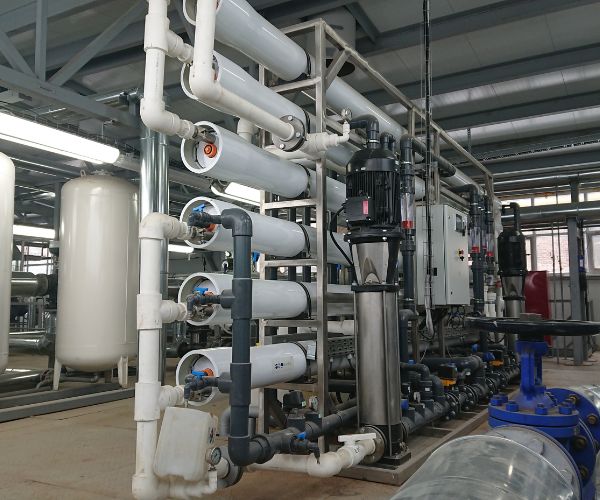
Water Conservation and Plumbing Innovation
Water management is a critical component of sustainable design, particularly in regions facing resource constraints. Modern plumbing systems are designed to:
- Minimize water waste
- Improve efficiency
- Support long-term sustainability goals
Innovations such as low-flow fixtures, greywater recycling, and smart monitoring systems play a key role in reducing consumption.
Sustainable Materials and Construction Practices
Material selection has a direct impact on both environmental performance and project sustainability. Best practices include:
- Using locally sourced materials to reduce transportation emissions
- Selecting recycled or renewable resources
- Minimizing construction waste through efficient planning
By adopting responsible sourcing strategies, organizations can significantly reduce their environmental footprint.
Integrated Design and Engineering
Sustainability cannot be achieved through isolated decisions—it requires coordination across all project phases. Integrated design-build approaches ensure that:
- Sustainability goals are defined early
- Engineering solutions align with environmental objectives
- Construction practices support efficiency and waste reduction
This alignment is essential for delivering measurable, long-term results.
Green Building in Specialized Sectors
While sustainability is relevant across all project types, certain sectors present unique opportunities and challenges.
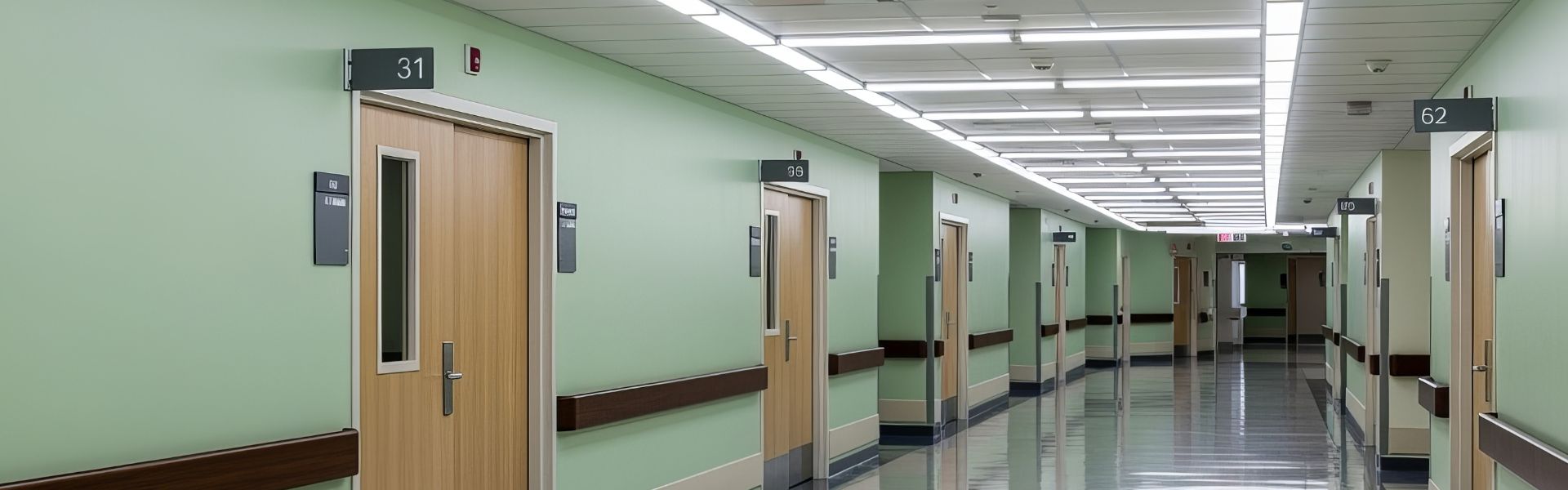
Healthcare Facilities
Healthcare environments demand high levels of performance, safety, and compliance. Integrating sustainable practices into these spaces requires careful planning and advanced engineering. Key considerations include:
- Energy-intensive medical equipment
- Strict ventilation and air quality standards
- Continuous operation requirements
Despite these complexities, sustainable healthcare facilities can achieve significant efficiency gains while improving patient outcomes.
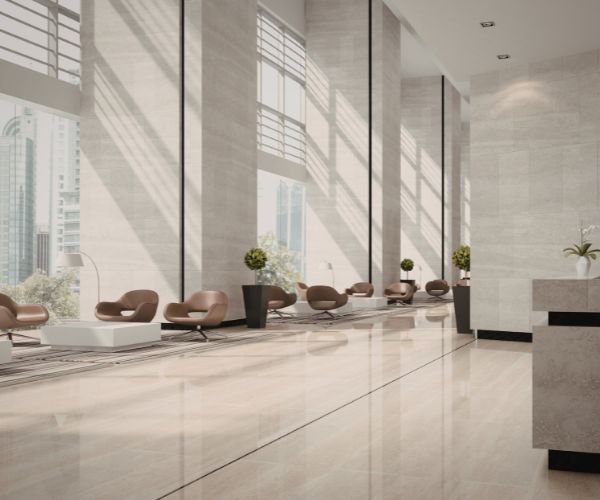
Commercial and Office Spaces
In the commercial sector, green building strategies are closely linked to tenant satisfaction and operational performance. Sustainable office environments offer:
- Lower utility costs
- Enhanced employee productivity
- Improved corporate image
As organizations prioritize ESG goals, demand for green commercial spaces continues to grow.
Residential Developments
Homeowners are increasingly seeking energy-efficient, environmentally responsible living spaces. Sustainable residential design focuses on:
- Reduced energy consumption
- Smart home technologies
- Durable, low-maintenance materials
These features not only benefit the environment but also enhance long-term affordability.
The Role of Inspections and Compliance in Sustainable Projects
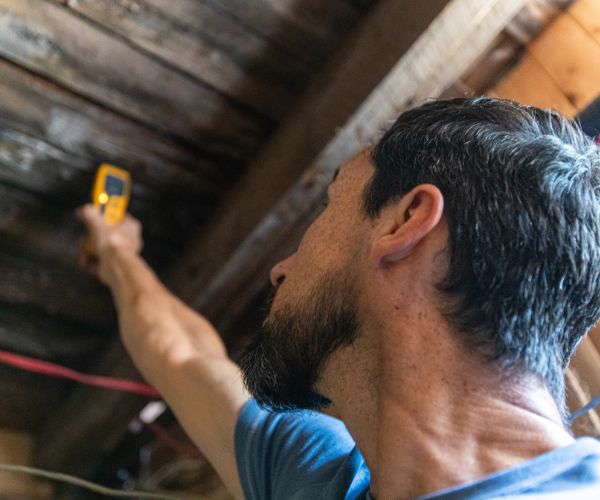
Sustainability must be verified, not assumed. Inspection and compliance services play a vital role in ensuring that green building standards are properly implemented and maintained.
This includes:
- Verifying system performance
- Ensuring adherence to environmental regulations
- Identifying opportunities for further optimization
By integrating inspection processes into the project lifecycle, organizations can maintain accountability and achieve their sustainability targets.
Extending Sustainability Through Property Management
The success of a green building does not end at construction—it depends on how the asset is managed over time. Effective property management ensures that:
- Systems continue to operate efficiently
- Maintenance supports sustainability goals
- Performance is monitored and optimized
This long-term perspective is essential for preserving both environmental and financial value.
Technology as a Catalyst for Sustainable Innovation
Technological advancements are accelerating the adoption of green building practices across the United States. Tools such as:
- Building Information Modeling (BIM)
- Energy modeling software
- Smart sensors and automation systems
enable more accurate planning, improved efficiency, and better decision-making.
When combined with strong engineering expertise and integrated project delivery, these technologies unlock new possibilities for sustainable construction.
Balancing Sustainability with Practicality
While the benefits of green building are clear, successful implementation requires a balanced approach. Organizations must consider:
- Budget constraints
- Project timelines
- Regulatory requirements
- Client objectives
The most effective solutions are those that integrate sustainability seamlessly into the project, rather than treating it as an added layer. This is where experienced engineering and construction partners play a critical role—ensuring that sustainability is both achievable and impactful.
The Future of Sustainable Construction in the United States
Looking ahead, the trajectory of green building is clear: sustainability will continue to shape the standards, expectations, and opportunities within the construction industry. Emerging trends include:
- Increased adoption of net-zero energy buildings
- Greater use of renewable energy systems
- Enhanced focus on resilience and climate adaptation
- Integration of smart building technologies
Organizations that embrace these trends will be better positioned to meet evolving demands and remain competitive in a rapidly changing market.
Conclusion
Green building represents more than an industry trend—it is a fundamental transformation in how we design, construct, and manage the built environment. For organizations across the United States, sustainable construction offers a pathway to improved efficiency, reduced environmental impact, and enhanced long-term value.
By adopting an integrated approach that combines engineering expertise, innovative design, and strategic construction practices, it is possible to create spaces that are not only functional and efficient, but truly inspiring.
In doing so, the industry moves closer to a future where sustainability and performance go hand in hand—delivering lasting benefits for businesses, communities, and the environment.