
In today’s rapidly evolving built environment, the demand for smarter, more efficient, and sustainable spaces has never been greater. Across the United States, developers, property owners, healthcare providers, and public sector organizations are seeking solutions that not only meet functional requirements but also inspire, endure, and deliver long-term value.
At the center of this transformation is a fundamental shift in how projects are conceived and delivered. Traditional, fragmented approaches to construction are giving way to integrated models that unify design, engineering, and construction into a seamless process.
This evolution is redefining what it means to design and build inspiring spaces.
The Shift Toward Integrated Project Delivery
Historically, construction projects followed a linear path—design, bid, and build—often involving multiple stakeholders operating in silos. While this model has delivered results for decades, it frequently leads to inefficiencies, cost overruns, and misaligned objectives. Today, forward-thinking organizations are embracing integrated engineering and construction models, often referred to as design-build or turnkey solutions.
This approach brings together:
- Architects and designers
- Engineers and technical specialists
- Construction professionals
- Project managers
under a single, coordinated framework.
The benefits are significant:
- Streamlined communication
- Reduced project timelines
- Greater cost certainty
- Enhanced quality control
By aligning all disciplines from the outset, integrated delivery minimizes risk and maximizes project outcomes.
Engineering Excellence as the Foundation
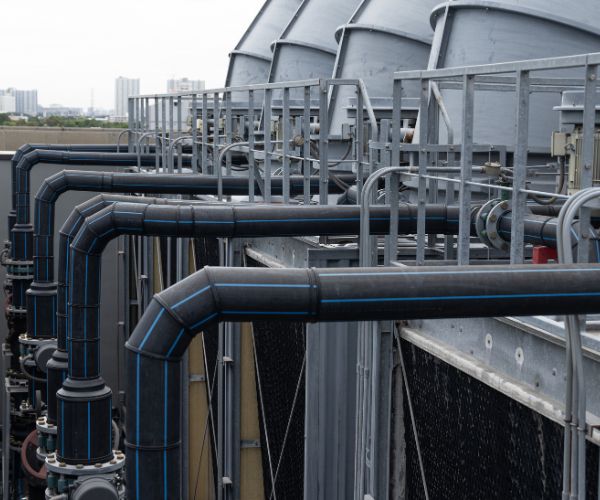
At the core of every successful project lies strong engineering. From structural integrity to mechanical, electrical, and plumbing (MEP) systems, engineering decisions shape not only how a building performs, but how it endures over time. In the United States, where regulatory standards are rigorous and expectations are high, engineering excellence is non-negotiable.
Key considerations include:
- Structural resilience, particularly in regions prone to extreme weather
- Efficient plumbing and water systems, essential for both performance and sustainability
- Energy optimization, driven by increasing environmental regulations
- System integration, ensuring all components work cohesively
Modern engineering goes beyond compliance—it is about designing systems that are intelligent, adaptable, and future-ready.
Construction as a Strategic Discipline
Construction is no longer viewed solely as an execution phase; it is a strategic function that directly impacts cost, quality and timeline. Leading firms recognize that construction expertise must be integrated early in the process to:
- Identify potential challenges before they arise
- Optimize materials and methods
- Improve constructability
- Ensure alignment with project goals
This proactive approach reduces costly changes during later stages and ensures smoother project delivery. In a competitive market, where delays and budget overruns can significantly impact profitability, strategic construction management is a critical differentiator.
Designing for Purpose: The Rise of Specialized Sectors
As industries evolve, so too do the requirements of the spaces they occupy. Nowhere is this more evident than in specialized sectors such as healthcare.
Healthcare Facilities
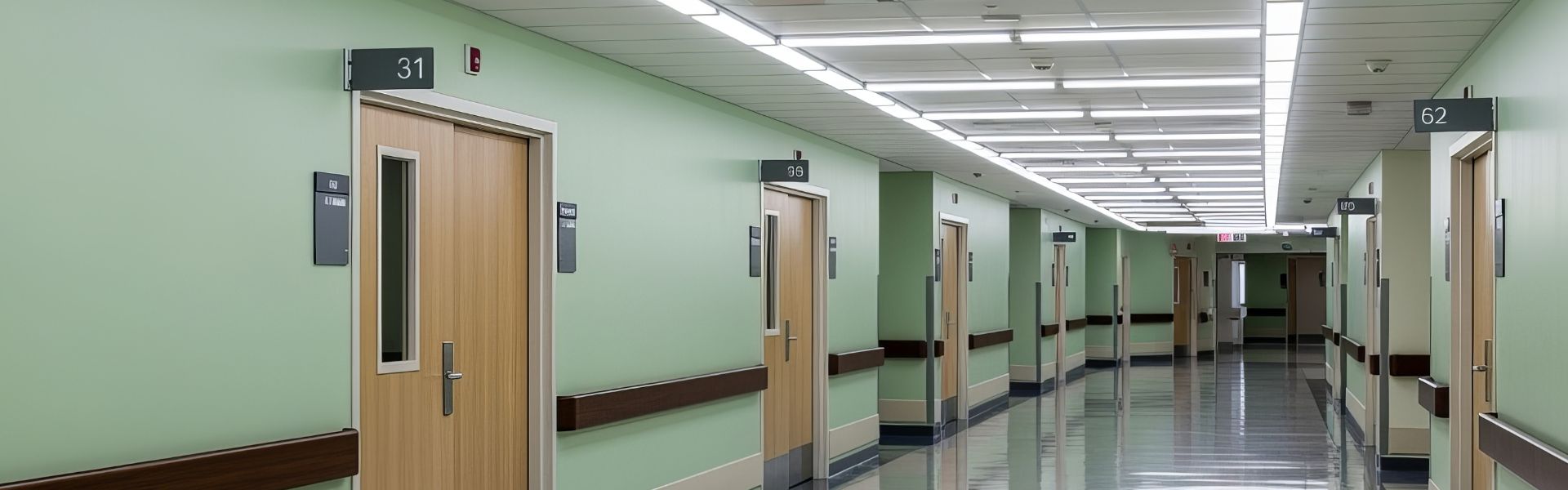
Designing and constructing healthcare environments demands a unique combination of technical precision, regulatory compliance, and human-centered design. Key priorities include:
- Infection control and sanitation
- Efficient patient flow
- Advanced medical infrastructure
- Compliance with healthcare regulations and codes
Beyond functionality, healthcare spaces must also promote healing, comfort, and well-being—underscoring the importance of thoughtful, integrated design.
Sustainability and the Green Building Movement
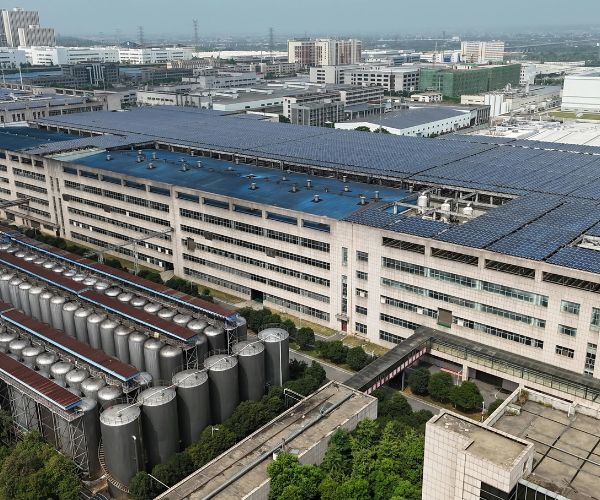
Sustainability is no longer an optional consideration—it is a fundamental requirement in modern construction. Across the United States, green building practices are being driven by:
- Regulatory frameworks
- Environmental responsibility
- Cost efficiency over the building lifecycle
- Growing demand from clients and investors
Integrated engineering and construction firms are uniquely positioned to deliver sustainable solutions by embedding environmental considerations into every stage of the project.
This includes:
- Energy-efficient systems
- Sustainable material selection
- Water conservation strategies
- Waste reduction during construction
Green building not only reduces environmental impact but also enhances asset value and operational efficiency.
The Critical Role of Inspections and Compliance
In a highly regulated environment, inspections and compliance are essential components of the construction lifecycle. From initial design approvals to final occupancy, projects must adhere to a complex network of local, state, and federal regulations.
Professional inspection services ensure:
- Adherence to building codes
- Verification of system performance
- Identification of potential risks
- Protection of long-term asset value
By integrating inspection processes into the broader project framework, organizations can avoid costly delays and ensure a smooth path to completion.
Property Management: Extending Value Beyond Construction
The lifecycle of a building does not end upon completion. In fact, long-term performance depends heavily on effective property management. Comprehensive property management services bridge the gap between construction and ongoing operations, ensuring that assets remain:
- Safe and compliant
- Efficient and cost-effective
- Well-maintained and attractive
This holistic approach allows property owners and investors to maximize returns while minimizing risk.
Technology as an Enabler of Innovation
Advancements in technology are transforming every aspect of engineering and construction.
Tools such as:
- Building Information Modeling (BIM)
- Advanced project management platforms
- Smart building systems
Enable greater precision, collaboration, and efficiency. However, as with any tool, technology is most effective when integrated into a well-defined process. Organizations that combine technical innovation with structured methodologies are best positioned to deliver superior outcomes.
Collaboration: The Key to Success
At the heart of integrated engineering and construction lies collaboration. Successful projects depend on the alignment of multiple stakeholders, including:
- Clients and investors
- Designers and engineers
- Contractors and subcontractors
- Regulatory authorities
By fostering a collaborative environment, organizations can:
- Improve decision-making
- Enhance transparency
- Build trust
- Achieve shared objectives
This collaborative mindset is essential for delivering projects that meet both functional and aspirational goals.
Meeting the Needs of a Diverse Client Base
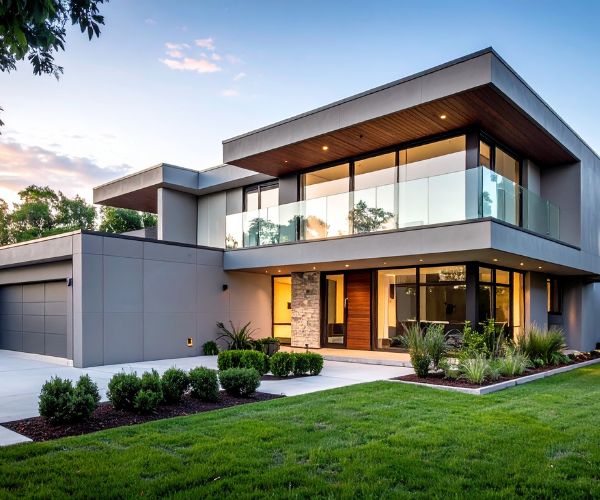
One of the defining characteristics of integrated firms is their ability to serve a broad range of clients. From private homeowners to large-scale developers and public sector entities, each project presents unique challenges and opportunities.
Key client segments include:
- Residential clients, seeking quality and personalization
- Commercial developers, focused on efficiency and return on investment
- Healthcare providers, requiring specialized infrastructure
- Government agencies, prioritizing compliance and public value
By offering comprehensive, end-to-end services, integrated firms provide a single point of accountability—simplifying the process for clients and ensuring consistent results.
The Future of Inspiring Spaces
As the built environment continues to evolve, the expectations placed on engineering and construction firms will only increase. Future-ready organizations will be those that:
- Embrace integration over fragmentation
- Prioritize sustainability and efficiency
- Leverage technology effectively
- Maintain a strong focus on quality and compliance
- Deliver value across the entire project lifecycle
In this landscape, the ability to design and build inspiring spaces is not just about aesthetics—it is about creating environments that perform, adapt, and endure.
Conclusion
The future of engineering and construction in the United States lies in integration, innovation, and a commitment to excellence. By unifying design, engineering, construction, and property management into a cohesive approach, organizations can overcome traditional challenges and deliver projects that exceed expectations.
For clients across all sectors, this means greater confidence, improved outcomes, and spaces that truly inspire.