
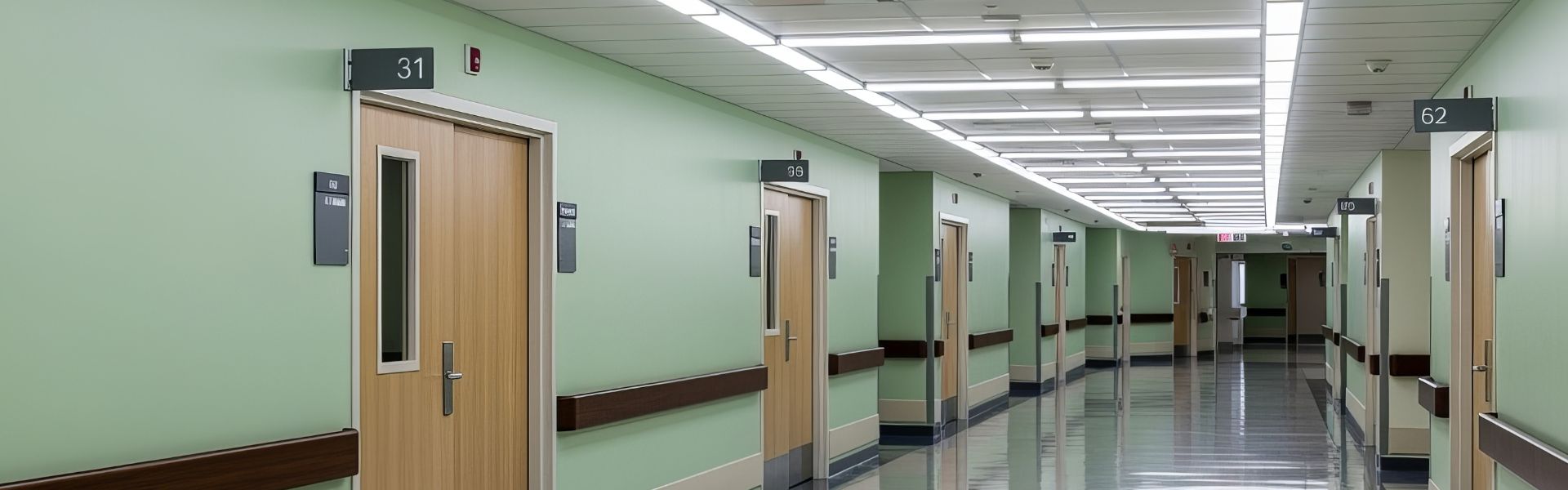
Healthcare facilities are among the most complex and demanding environments to design and construct. Unlike conventional commercial or residential buildings, these spaces must meet rigorous regulatory standards, accommodate advanced medical technologies, and support the critical needs of patients, healthcare professionals, and support staff.
Across the United States, the demand for modern, efficient, and patient-centered healthcare environments continues to grow. From hospitals and outpatient clinics to specialized treatment centers and long-term care facilities, the expectations placed on healthcare infrastructure are higher than ever.
Designing and building these spaces requires a multidisciplinary approach—one that integrates engineering excellence, construction expertise, regulatory compliance, and human-centered design.
The Unique Complexity of Healthcare Construction
Healthcare facilities operate in a highly regulated and mission-critical context. Every design decision and construction detail must support not only functionality, but also safety, compliance, and long-term adaptability. Key challenges include:
- Strict regulatory requirements
- Integration of specialized medical equipment
- Continuous operation in many facilities
- High standards for hygiene and infection control
Unlike other building types, there is little margin for error. Delays, design flaws, or system failures can have serious implications—not just financially, but in terms of patient care and safety.
Regulatory Compliance and Industry Standards
Compliance is a cornerstone of healthcare construction in the United States. Projects must adhere to a wide range of codes, guidelines, and standards that govern everything from building design to system performance. Key frameworks and organizations include:
- Facility Guidelines Institute (FGI Guidelines)
- Centers for Medicare & Medicaid Services (CMS requirements)
- National Fire Protection Association (life safety codes)
These standards ensure that healthcare environments are safe, functional, and capable of supporting high-quality care. Early integration of compliance considerations into the design phase is essential to avoid costly revisions and ensure a smooth approval process.
Designing for Patient-Centered Care
Modern healthcare design places increasing emphasis on the patient experience. Beyond clinical functionality, facilities must create environments that promote comfort, healing, and well-being. Key design priorities include:
- Access to natural light
- Noise reduction
- Intuitive wayfinding
- Privacy and dignity for patients
Research has shown that well-designed healthcare environments can contribute to improved patient outcomes, reduced stress, and faster recovery times. This shift toward patient-centered design reflects a broader understanding of healthcare as a holistic experience, rather than a purely clinical process.
Engineering Systems for Performance and Reliability
Engineering plays a critical role in ensuring that healthcare facilities operate safely and efficiently. Key systems include:
- Mechanical (HVAC) systems for ventilation and air quality
- Electrical systems for uninterrupted power supply
- Plumbing systems for sanitation and infection control
- Medical gas systems for critical care environments
These systems must be designed with redundancy and resilience in mind. In many cases, healthcare facilities require backup systems to ensure continuous operation during power outages or emergencies.
Engineering solutions must also support:
- Energy efficiency
- System integration
- Ease of maintenance
Balancing performance, reliability, and sustainability is essential in healthcare construction.
Infection Control and Safety Considerations
Infection prevention is one of the most critical aspects of healthcare facility design and construction. Strategies include:
- Proper airflow and ventilation design
- Use of antimicrobial materials
- Separation of clean and contaminated zones
- Strict construction protocols in active healthcare environments
During construction or renovation projects, special measures must be taken to minimize disruption and prevent contamination in operational facilities. This requires close coordination between construction teams, healthcare staff, and regulatory bodies.
Technology Integration in Modern Healthcare Facilities
Advancements in medical technology are transforming the way healthcare is delivered—and facilities must be designed to support this evolution. Key considerations include:
- Infrastructure for advanced diagnostic and treatment equipment
- Integration of digital health systems
- Support for telemedicine and remote care
- Scalable systems that can adapt to future technologies
Designing for flexibility is critical, as healthcare technology continues to evolve at a rapid pace.
Sustainability in Healthcare Construction
Sustainability is becoming an increasingly important consideration in healthcare projects. While these facilities are often energy-intensive, there are significant opportunities to improve efficiency and reduce environmental impact. Sustainable strategies include:
- Energy-efficient building systems
- Water conservation measures
- Use of environmentally responsible materials
- Waste reduction during construction
Incorporating sustainability into healthcare design not only supports environmental goals but also reduces operational costs over time.
Construction in Active Healthcare Environments
Many healthcare construction projects take place within operational facilities, where patient care must continue uninterrupted. This presents unique challenges, including:
- Noise and vibration control
- Dust and air quality management
- Maintaining safe access for patients and staff
- Coordinating construction schedules with clinical operations
Successful project delivery requires meticulous planning, clear communication, and strict adherence to safety protocols.
The Importance of Integrated Project Delivery
Given the complexity of healthcare construction, integrated project delivery models are particularly effective. By bringing together:
- Designers
- Engineers
- Contractors
- Healthcare stakeholders
From the outset, integrated approaches ensure alignment across all aspects of the project.
Benefits include:
- Improved coordination
- Faster decision-making
- Reduced risk of errors and delays
- Enhanced project outcomes
This collaborative model is essential for managing the unique demands of healthcare facilities.
Inspections, Testing and Commissioning
Before a healthcare facility can become operational, it must undergo rigorous inspection and commissioning processes. These steps ensure that:
- All systems function as intended
- Regulatory requirements are met
- Safety standards are upheld
Commissioning is particularly critical in healthcare environments, where system performance directly impacts patient care. Ongoing inspection and maintenance are equally important to ensure long-term reliability and compliance.
Extending Value Through Property Management
Once construction is complete, effective property management plays a vital role in maintaining the performance and integrity of healthcare facilities. Key responsibilities include:
- Routine maintenance of critical systems
- Compliance monitoring
- Performance optimization
- Long-term asset planning
By adopting a proactive approach to property management, healthcare providers can ensure that their facilities continue to meet the highest standards of care.
Meeting the Needs of a Growing Healthcare Sector
The U.S. healthcare sector is undergoing significant transformation, driven by:
- Population growth and aging demographics
- Advances in medical technology
- Changing models of care delivery
These trends are increasing demand for:
- Outpatient and ambulatory care centers
- Specialized treatment facilities
- Flexible and adaptable healthcare spaces
Engineering and construction firms must be prepared to meet these evolving needs with innovative, scalable solutions.
The Future of Healthcare Facility Design and Construction
Looking ahead, the future of healthcare construction will be defined by:
- Greater integration of technology
- Increased focus on patient experience
- Enhanced sustainability and efficiency
- More flexible and adaptable facility designs
Organizations that embrace these trends will be better positioned to deliver facilities that meet the needs of both today and tomorrow.
Conclusion
Healthcare facility design and construction require a unique combination of technical expertise, regulatory knowledge, and human-centered thinking. By integrating engineering, construction, and operational considerations into a cohesive approach, it is possible to create environments that support high-quality care, enhance patient experiences, and deliver long-term value.
As the healthcare landscape continues to evolve, the importance of well-designed, efficiently constructed, and carefully managed facilities will only continue to grow. In this context, building for care is not simply about infrastructure—it is about creating spaces that enable healing, support innovation, and serve communities for generations to come.